Describe How Engraving Was Used During the Renaissance
The Germans took the lead in developing book illustrations. Here are a few.

How And Why Does Albrecht Durer S Engraving Adam And Eve Reflect His Interest In Italian Renaissance Theories Of Ideal Human Proportions Rebekah Kosinski Gallery
This is the currently selected item.

. The result may be a decorated object in itself as when silver gold steel or glass are engraved or may provide an intaglio printing plate of copper or another metal for printing images on paper as prints or illustrations. Later lithograph was introduced in the 19th century a process in which a print made by drawing on limestone with wax crayons applying ink onto the stone and printing. The major work he produced in this period was the thirty-seven subjects of the Little Passion on wood.
Perspective In The Renaissance. Engraving has its roots in the tradition of gold- and silversmith workshops where niello plaquessmall plates of gold or silverwere made by incising a linear design into the metal surface and inlaying those carved grooves with a dark paste-like substance to render a clear representation. The Renaissance may have been a time of great scientific and artistic innovation but the eras medical treatments still had a ways to go before they became safe and effective.
In order to get a closer look at the human body they even researched anatomy. He first demonstrated this technique in his Prodigal Son. The most influential engraver of the century was Marcantonio Raimondi.
Inventor of the modern book. Paul which they then used to carefully print impressions on to comparable modern paper Ruscombe Mills Queen Anne Laid Linen. The aim of this paper is to describe the development of perspective during the Renaissance how different perspectives were invented and used.
In addition Campbell also enlisted the aid of master engraver Andrew Rafferty at the Rhode Island School of Design to test her theories on the engraving plate. Technically Dürers equal he lacked. Stylistically architecture during the Renaissance period followed Gothic architecture and was followed by Baroque architecture.
After the death of Mantegna in 1506 Italian printmaking of the 16th century was dominated by lesser figures. Individualism-during the renaissance the idea you were your own self and could have your own opinion and you didn have to have one thought about something was new. These images are also called engravings.
Origins of Renaissance Art. Describe the kinds of changes that took place in europe cities and universities in the 1300s. R enaissance architecture refers to the magnificent buildings and structures that were created by Renaissance architects in various regions from the beginning of the 14th century until the early 16th century.
During this period he also completed the two woodcut series of the Great Passion and the Life of the Virgin. The use of two dedicated classrooms one in Firestone Library and one off-site is playing a crucial role in enabling faculty and students to continue engaging with original works of art during the construction of the new museums building said Veronica White curator of teaching and learning. Milestone Summer term Art History course.
The impact of the printing press in Europe included. Engraving is the practice of incising a design onto a hard usually flat surface by cutting grooves into it with a burin. To remove martial from published work.
Printmaking in Europe c. 14001800 article Khan Academy. More authors were published including unknown writers.
Common prevention in the Renaissance period. Aldo Manuzio Aldus Manutius. Printmaking in Europe c.
How did the use of the printing press increase the spread of literacy. Other innovative pieces followed as Durer used landscapes and animals as subjects whilst also creating religious figures. Rafferty engraved a to-scale copy of Dürer s St.
Perspective is a structure that is used to highlight the analysis of the whole entity. During the Renaissance from roughly the 14th to 16th century there were many advances in science math philosophy and artOne of the most monumental advances in art was the. The study of Classical Antiquity is Renaissance Humanism.
In the Asia region the process of printmaking were mostly woodcut and engraving. The origins of Renaissance art can be traced to Italy in the late 13th and early 14th centuries. Pauls Cathedral shows it being used as a pest house during the Great Plague of London.
An increase in the access to books in terms of physical availability and lower cost. From 1511 to 1514 Durer concentrated on engraving both on wood and copper but especially the latter. During the 16th century the few etchings produced in Italy have only historical interest.
Printmaking by woodcut and engraving was already more developed in Germany and the Low Countries than anywhere else during the Renaissance. These were typically of a relatively low artistic standard but were seen all over Europe with the woodblocks often being lent to printers of editions in other cities or languages. The development of perspective during the early Renaissance.
Printmaking in Europe c. During the renaissance how did trade promote new ideas and learning. During the renaissance there was a change towards etching and etching became widely used in the European countries.
A detailed understanding of the technique which is very mathematical is needed. Under the influence of Dürer Raimondi became a virtuoso engraver. Explain how the Renaissance in northern Europe encouraged individualism and secularism Describe the significance of key examples of art architecture and literature from the Renaissance in northern Europe Explain how northern Renaissance art and literature reflects the culture by which it was produced Key Words.
Use the terms natural rights and social contract to describe how some enlightenment thinkers viewed the purpose of government. A huge increase in the volume of books produced compared to handmade works. Burin engraving tool and engravings were the next skills that Durer trained to use although he may have gained an understanding from his father.
What effect did the printing press have during the Renaissance. Arts and humanities Europe 1300 - 1800 Printmaking in Europe Printmaking in Europe c. Mathematics was studied by Renaissance artists so they could appreciate art.
The Printed Image In The West Engraving Essay The Metropolitan Museum Of Art Heilbrunn Timeline Of Art History

Diana Mantuana Renaissance Engraver Risd Museum
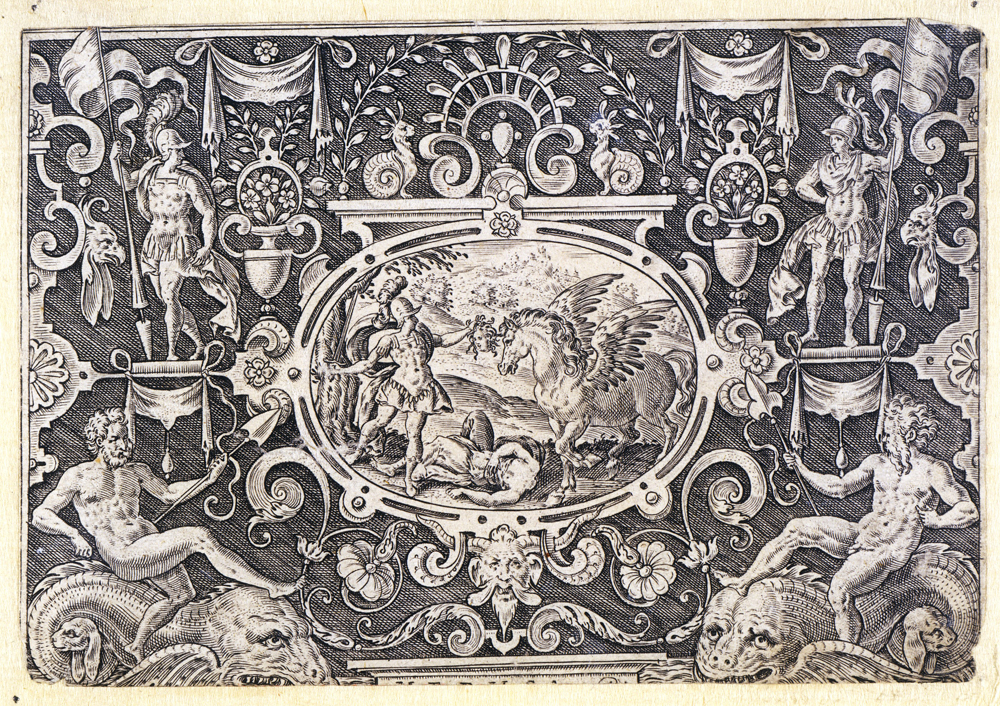
Style Guide Renaissance Victoria And Albert Museum
Renaissance Music Engraving High Resolution Stock Photography And Images Alamy
The Printed Image In The West Engraving Essay The Metropolitan Museum Of Art Heilbrunn Timeline Of Art History
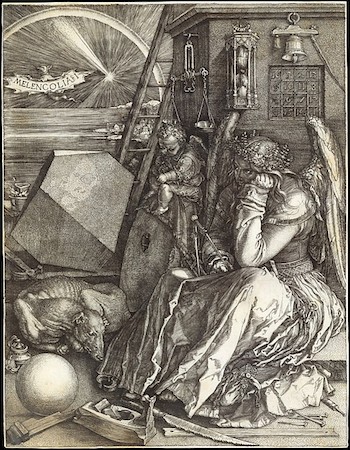
An Introduction To The Northern Renaissance In The Sixteenth Century Article Khan Academy
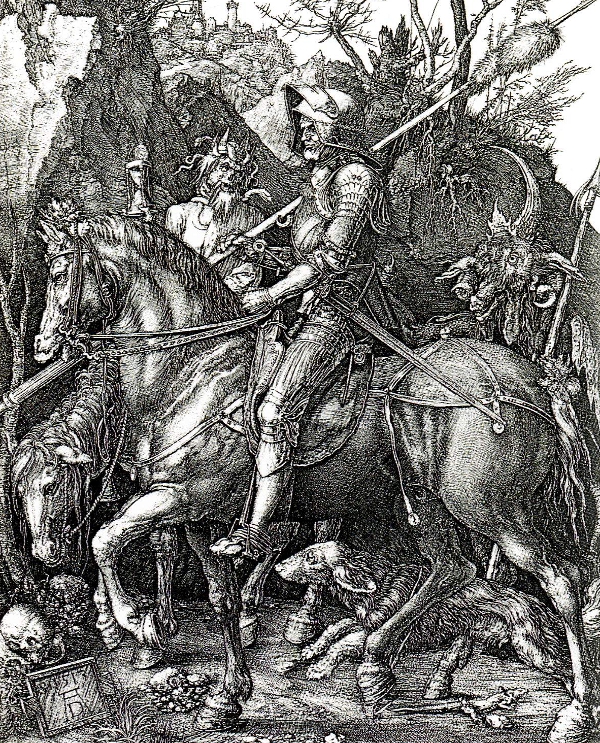
Durer The Leonardo Of The North

Engraving India In 17th And 18th Century Europe Art In Print
The Printed Image In The West Engraving Essay The Metropolitan Museum Of Art Heilbrunn Timeline Of Art History
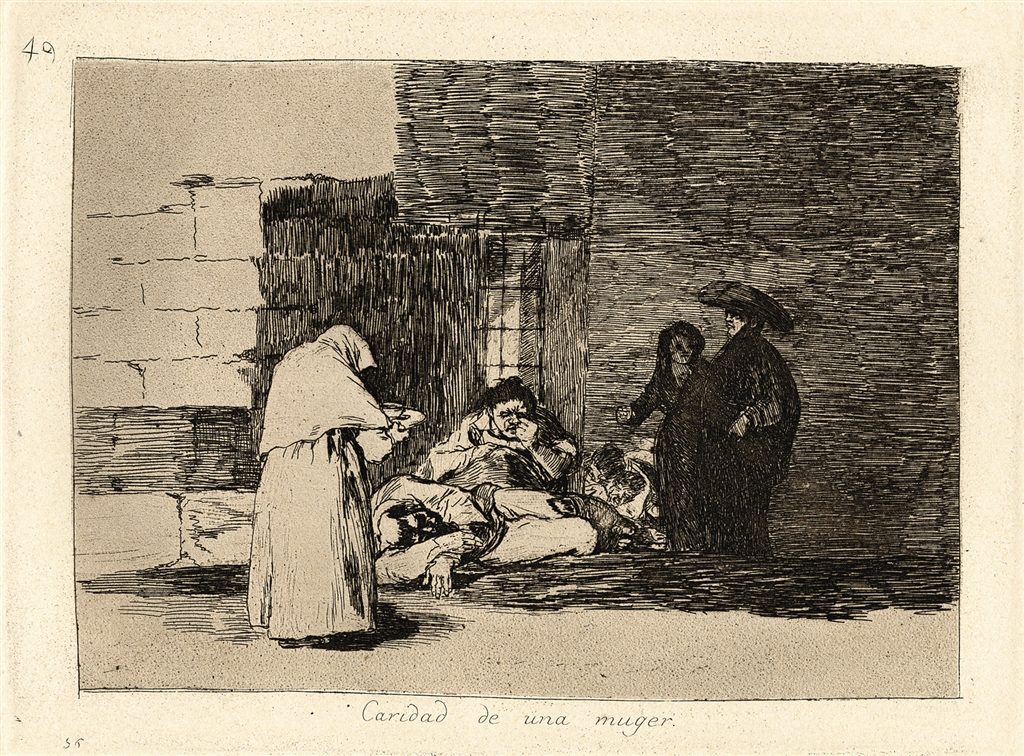
Etchings The Oldest Printmaking Medium And How Etchings Are Made
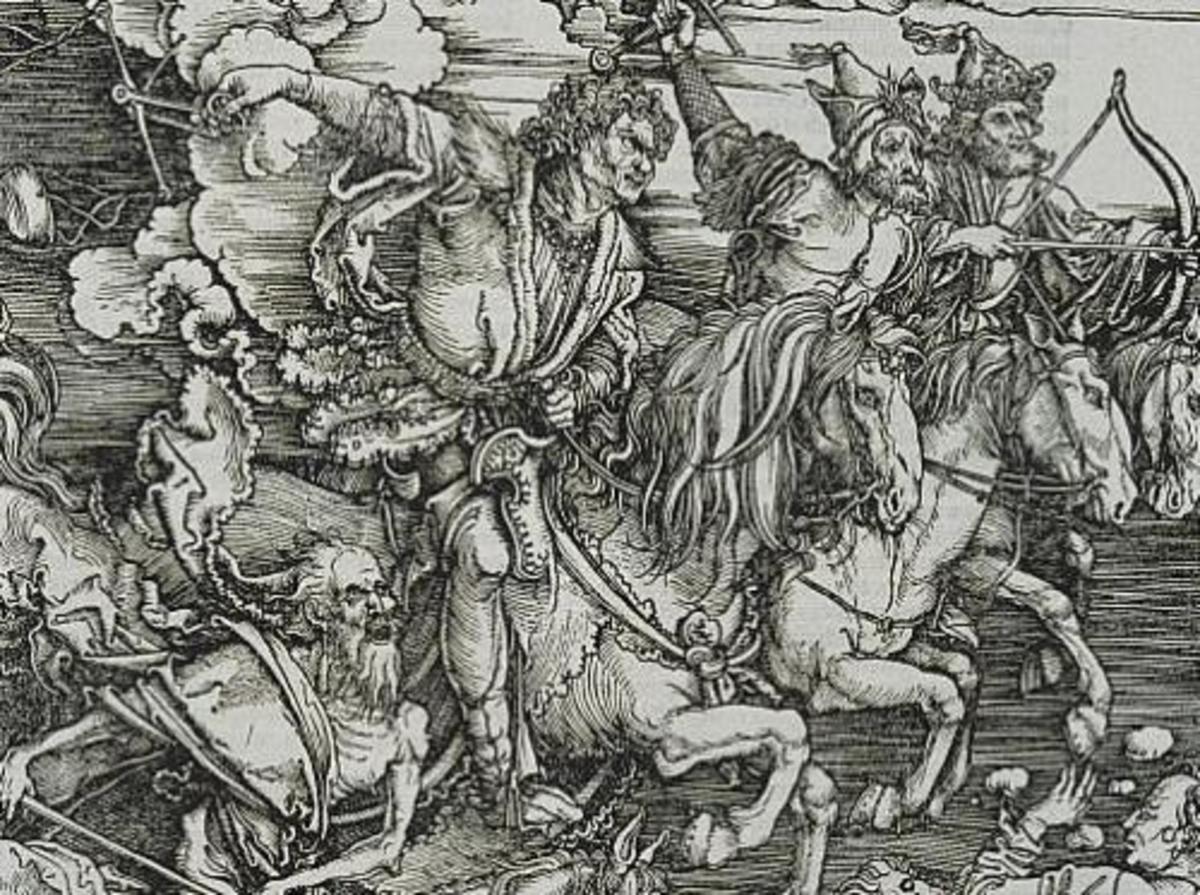
Albrecht Durer A Master Northern Renaissance Artist Hubpages
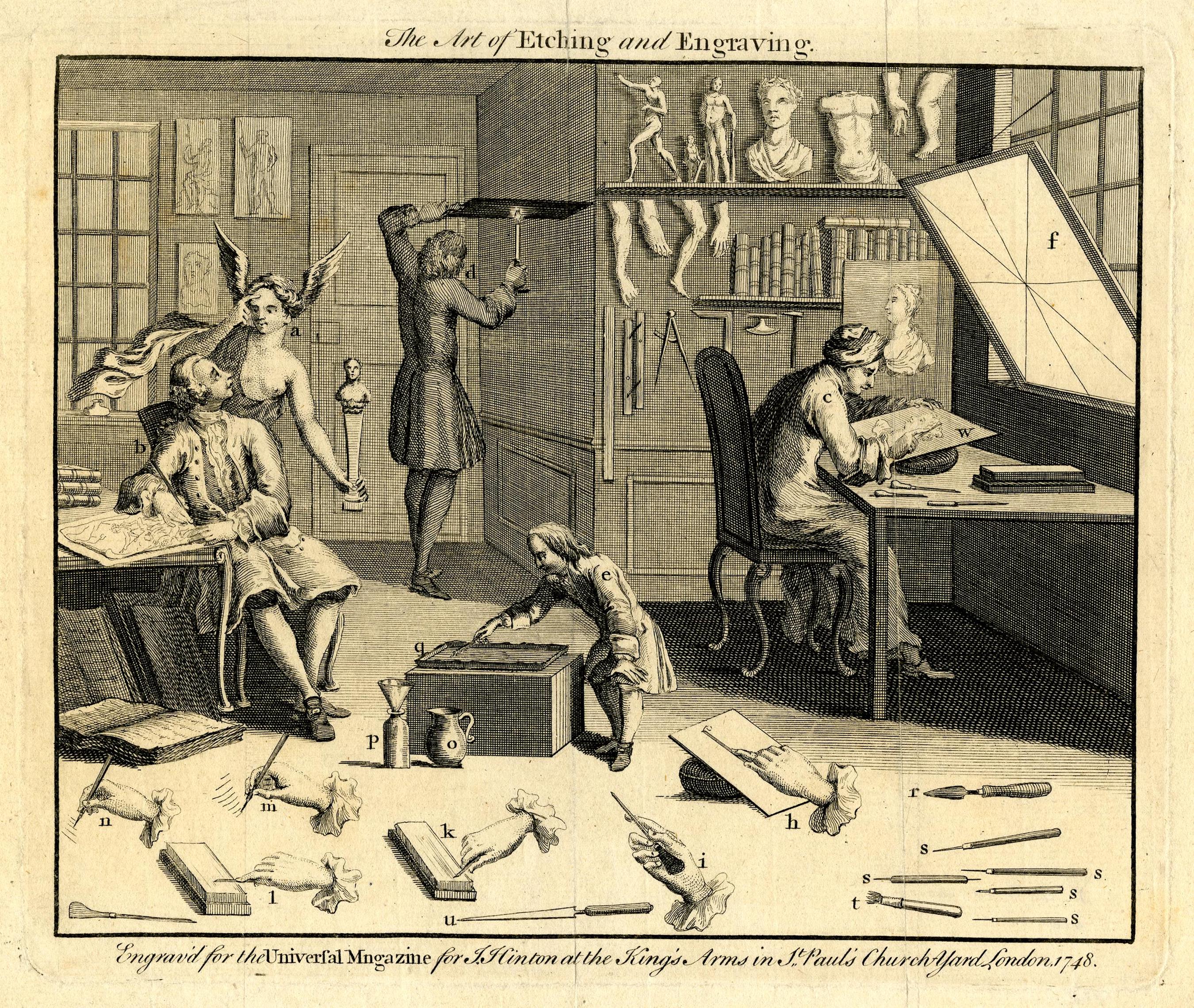
Vetusta Monumenta And Printmaking

Freedom And Resistance In The Act Of Engraving Or Why Durer Gave Up On Etching Art In Print
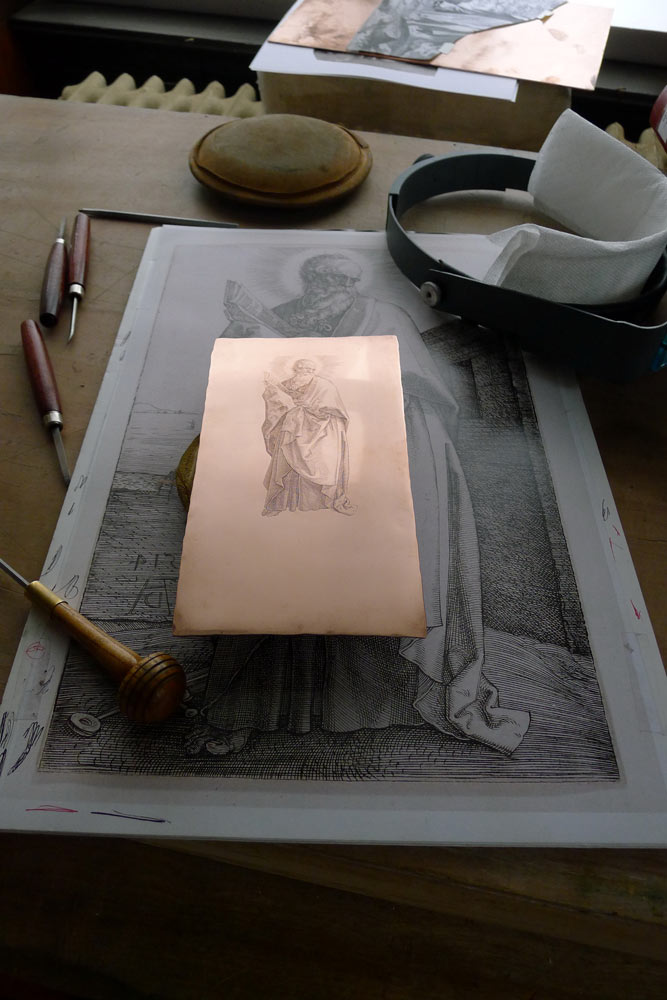
Remaking Durer Investigating The Master Engravings By Masterful Engraving Art In Print
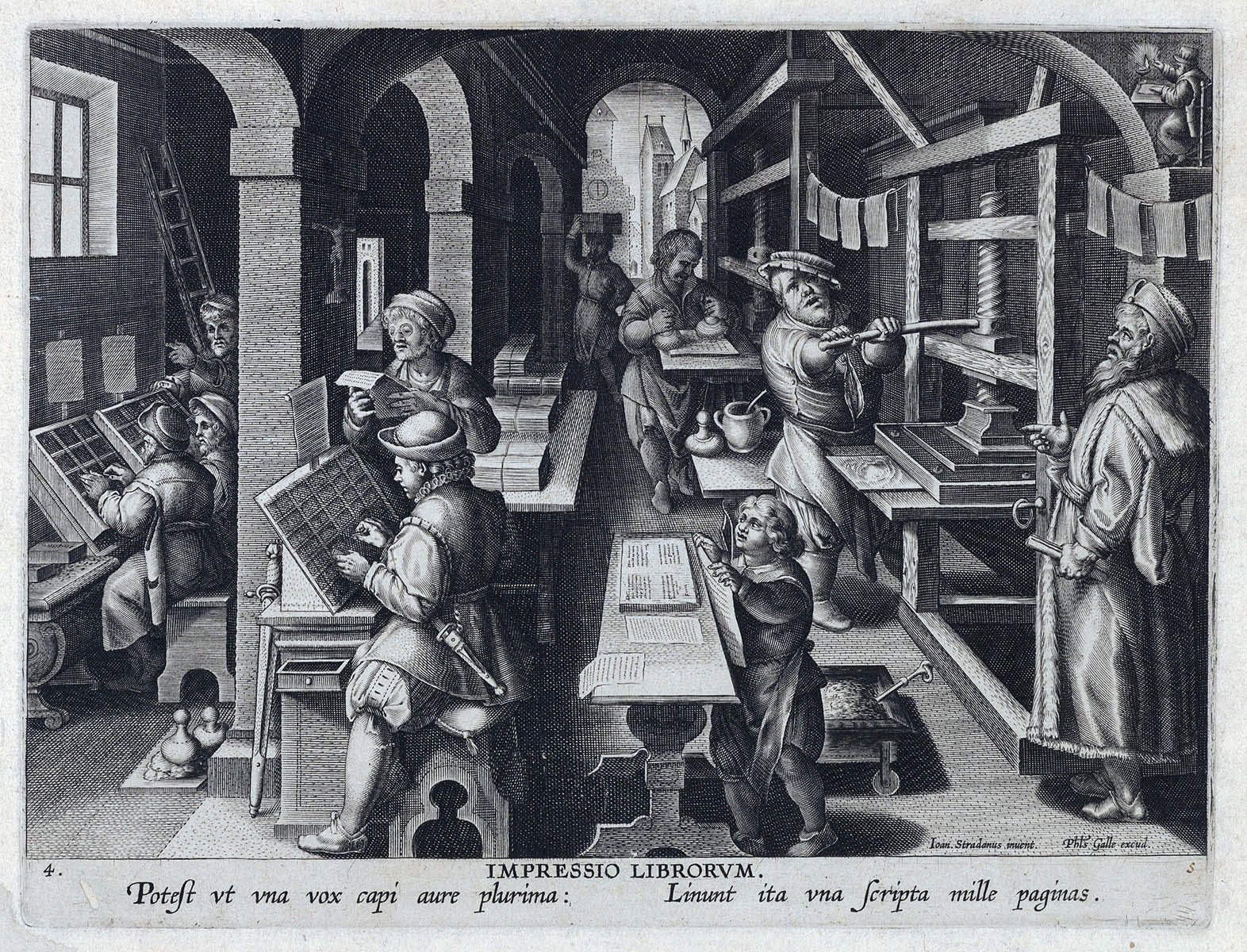
Printmaking In Europe C 1400 1800 Smarthistory

Peter Treveris Engraving Of Trephination Instrument In The Renaissance Download Scientific Diagram
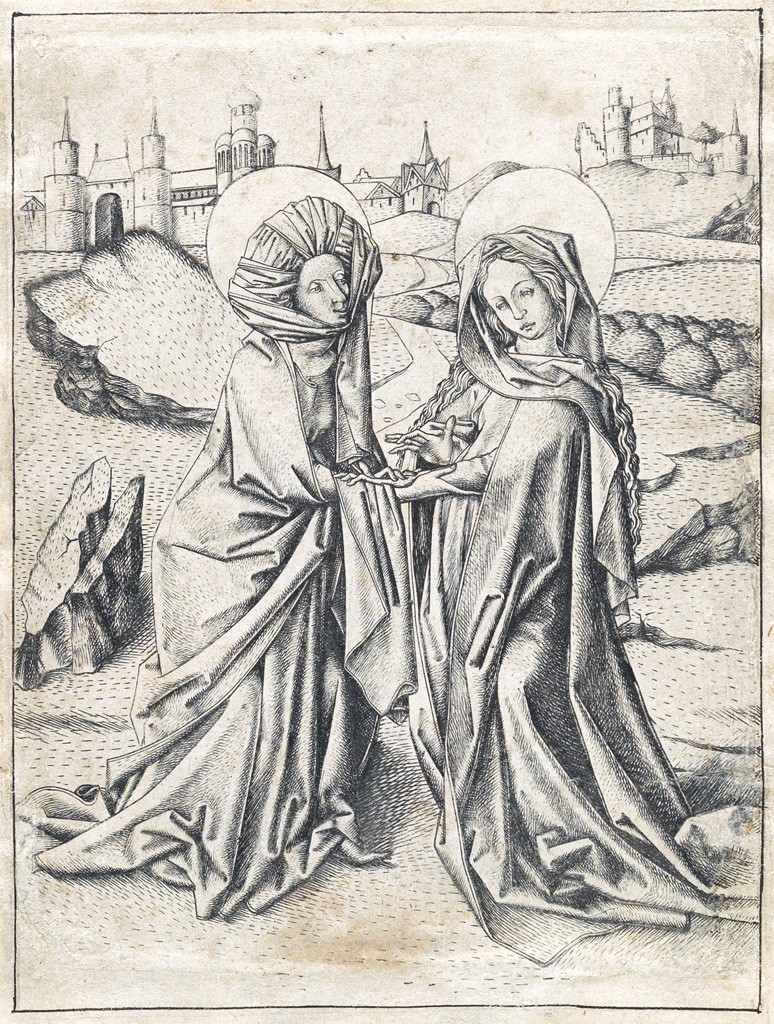
Masters Of Early Engraving Swann Galleries News

Freedom And Resistance In The Act Of Engraving Or Why Durer Gave Up On Etching Art In Print
The Printed Image In The West Engraving Essay The Metropolitan Museum Of Art Heilbrunn Timeline Of Art History


Comments
Post a Comment